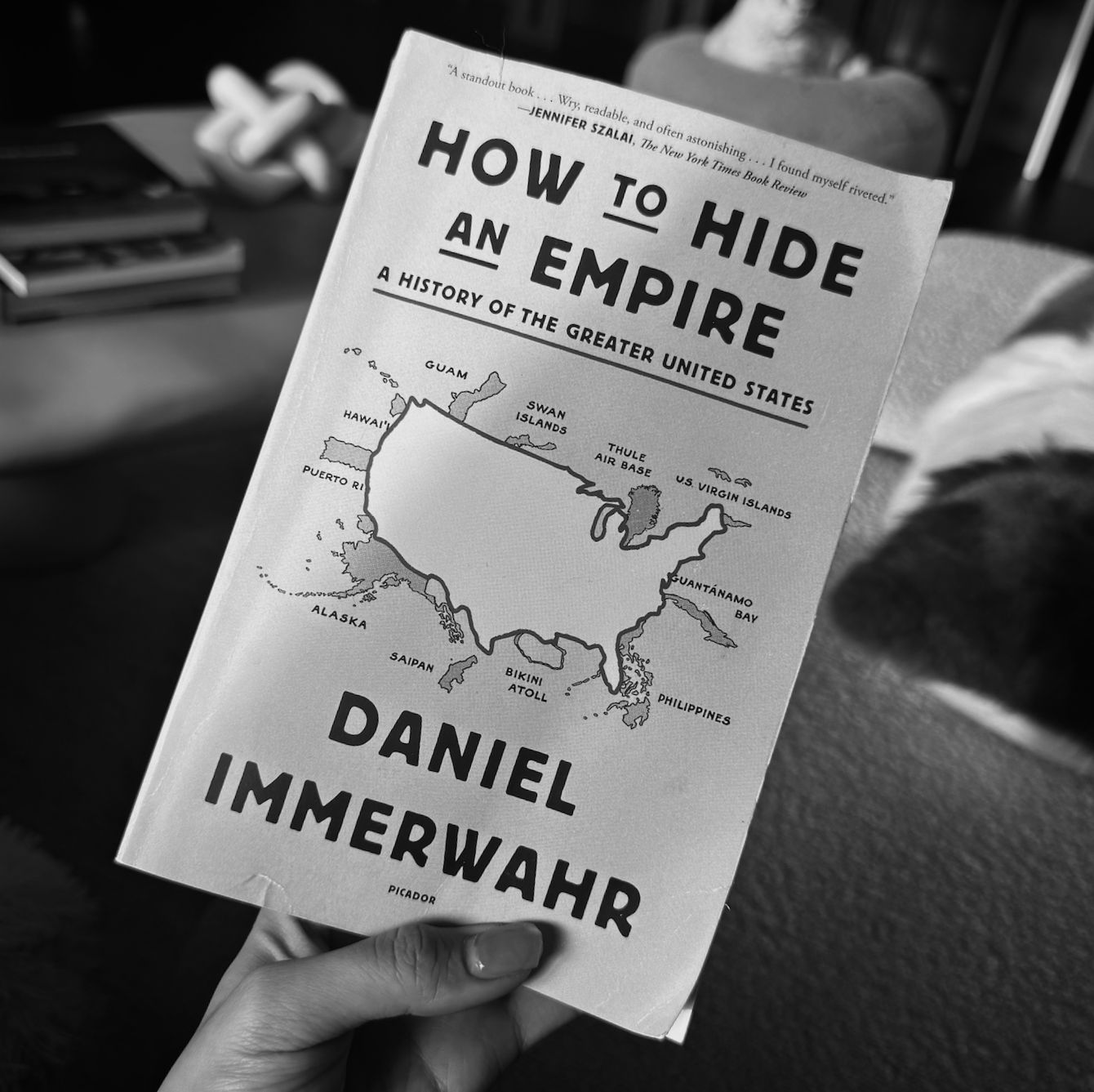
In American parlance, “empire” is a handy label reserved for everyone else—never, heaven forbid, for the United States itself.
Perhaps one of the most striking ironies in the annals of modern warfare lies here: The site most irrevocably etched in memory for Japan’s attack, Pearl Harbor, was the only U.S. territory NOT taken amid Japan’s sweeping offensives.
Meanwhile, across the Pacific, entire U.S. territories fell with alarming rapidity: Guam captured, Wake besieged, the Philippines devastated and annexed under duress. Yet Pearl Harbor alone, unconquered, was chosen as the nation’s rallying emblem. Indeed, all the other territories were legally American, yet, it was exclusively that which lay within symbolic proximity to the continental homeland that was cherry-picked to be broadcasted to the nation.